Nomadic Real Estate Trends to Watch
The idea of a permanent address is losing its grasp on a growing number of individuals. Remote work, climbing metropolitan housing prices, and a cultural shift towards experiences over belongings have actually integrated to make nomadic living not just a way of living choice for outliers, yet a mainstream choice. From tiny homes on wheels to subscription-based international housing networks, the means we consider "home" is being restored from the ground up. Here are the patterns shaping the future of nomadic real estate.
Tiny Homes and Van Life Go Mainstream
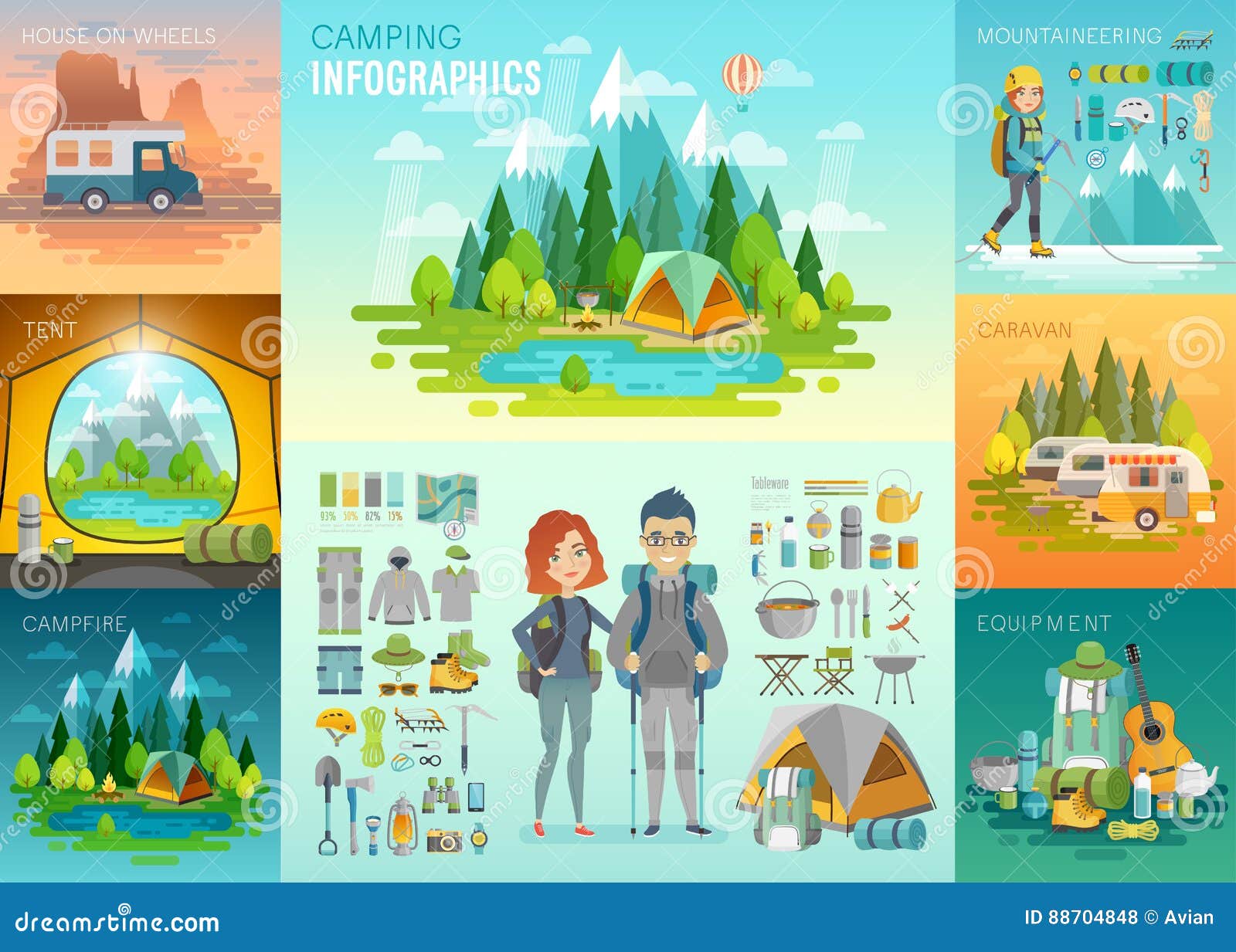
What began as a niche activity among minimalists and off-grid fanatics has come to be a full-fledged industry. Suppliers now supply smooth, factory-built little homes on wheels with high-end coatings, solar power systems, and clever storage remedies. Vanlife, once linked mostly with backpackers and internet users, has drawn in families, retired people, and remote specialists who desire the flexibility to alter their scenery without quiting convenience. Customized van conversion firms have turned this right into a genuine service category, with waitlists extending months for a fully outfitted rig.
Co-Living Networks With Global Get To
Instead of devoting to one lease in one city, digital nomads are signing up with co-living networks that operate residential properties across several nations. Members pay a membership or membership charge that provides accessibility to a rotating profile of equipped houses, shared offices, and area events. This version removes the rubbing of locating housing in a new city and constructs in a split second social media network, which is usually the hardest part of relocating often. Anticipate these networks to maintain expanding into additional cities as wanderers look past oversaturated centers.
Prefab and Modular Homes Built for Wheelchair
Modular building and construction has actually matured to the point where entire homes can be made in a manufacturing facility, transported in sections, and put together on-site within days. For wanderers that desire more area than a van however still hunger for transportability, modular units offer a middle ground. Some business currently make homes specifically to be disassembled and relocated, treating housing less like a long-term framework and even more like a furniture that can move with its owner.
Off-Grid Innovation as a Conventional Attribute
Photovoltaic panel, composting commodes, and mobile water purification systems made use of to be considered rugged add-ons. Now they are increasingly conventional in nomadic housing builds. Battery storage innovation has boosted enough that a fully equipped little home or van can run appliances, web routers, and climate control for days without a connection. This shift issues because it separates nomadic living from reliance on camping sites or urban facilities, opening farther and beautiful areas as practical places to park or established.
Digital Wanderer Visas Improve Where Individuals Clear Up
Loads of countries have actually introduced electronic nomad visas recently, and this fad reveals no sign of slowing down. These programs permit remote workers to live abroad lawfully for extensive periods without requiring typical employment sponsorship. As more countries complete for this demographic, housing markets in nomad-friendly cities are adjusting, with property owners and programmers making units especially for medium-term keeps of one to twelve months instead of the standard temporary trip rental or long-term lease.
Sustainable and In Your Area Sourced Products
Nomadic real estate has always had a functional partnership with sustainability, because smaller sized, mobile frameworks normally use fewer resources. Building contractors are pushing this further by sourcing reclaimed wood, low-impact insulation, and recycled metal for small homes and van conversions. Customers are significantly asking about the ecological impact of their mobile dwelling, not just its comfort or visual appeals, and producers are responding with more transparent sourcing practices.
AI-Assisted Space Design
Designing a practical home within 100 to 300 square feet is an authentic design difficulty, and AI tools are starting to assist. Some companies now use generative design software to maximize formats for storage space, all-natural light, and multi-use furniture within tight square footage. This technology is cutting the layout and prototyping time for personalized constructs, making individualized small homes much more available and economical than they were even a few years back.
What This Implies for the Future of Home
Taken together, these trends indicate a more comprehensive redefinition of home itself. It's ending up being less about a dealt with area and more about a flexible, self-dependent, and design-conscious method of living that can move with a person's job, connections, and curiosity. Whether through a transformed van, a modular cabin, or a membership in a global co-living network, nomadic real estate is 4 people tent verifying that stability and mobility are no more opposites.